Mandalorian Name Generator — Mando'a Warrior & Clan Names
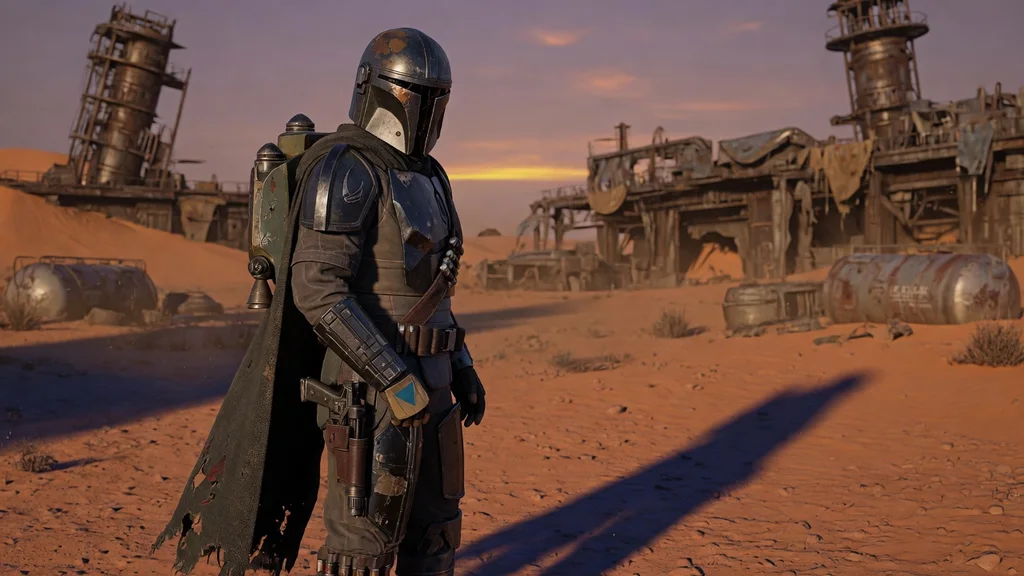
This mandalorian name generator builds original Mando'a-style warrior names — hard consonants, compact syllables, and real clan surnames — for fan fiction, tabletop campaigns, and any project set inside a Mandalorian-coded world. Pick a gender, a tone, and a name form. Hit generate. The results carry the weight of the creed.
👇 Click any name to copy it
A Mandalorian name is not decorative. It is functional. It announces a warrior's lineage, their standing within the clan, and the tone they carry into every room. The given name is personal; the clan name is a banner. Together they are the full introduction — and among Mandalorians, a proper introduction means something.
This is the way.
Mandalorian Warrior Culture and Naming
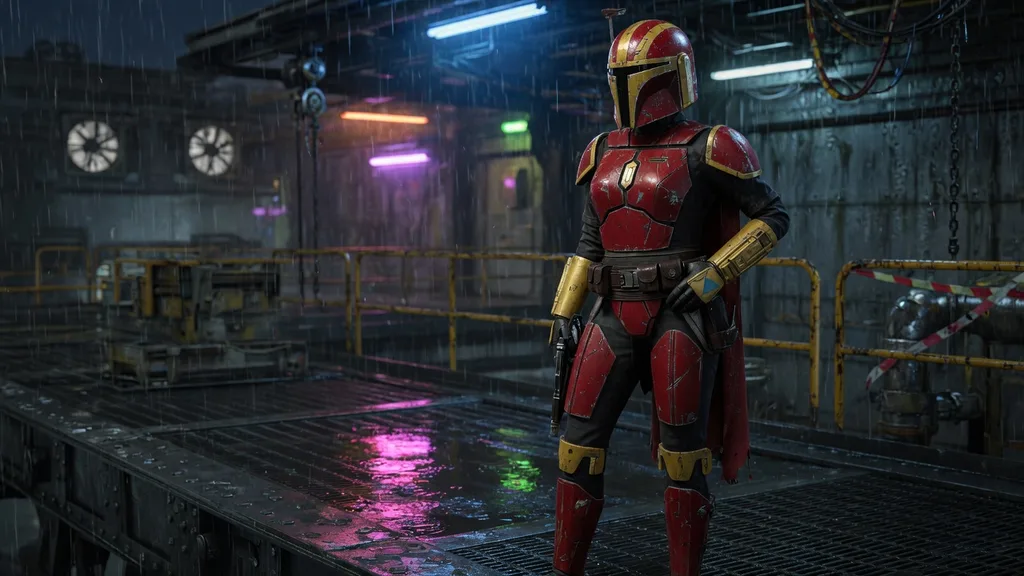
Mandalorian identity is inseparable from clan. A warrior without a clan is a foundling — not shamed, but incomplete. The clan name follows every formal address, carried like armour. When a Mandalorian earns their place — through combat, adoption, or deed — the clan name becomes theirs as surely as the helmet they never remove in public.
Mando'a, the Mandalorian language, prizes economy. Nothing wasted. Short syllables, hard stops, vowels that land rather than drift. A name like Rykur or Savra ends before you expect it — and that abruptness is the point. Mandalorian speech is built for the field, not the senate floor.
Tone matters as much as phonetics. Warrior names lean on stops: k, d, g, t. Noble names allow a longer vowel, a smoother finish — the difference between a battle cry and a council address. Bounty hunters often carry given names only, shedding the clan marker as professional distance; some adopt it back once the credits clear.
Mando'a Name Tones at a Glance
| Tone | Feel | Example |
|---|---|---|
| Warrior | Hard stops, blunt — built for the field | Drekkan of Clan Brasken |
| Noble | Longer vowels, measured — council and clan hall | Thyra of Clan Kastyr |
| Bounty Hunter | Clipped, solo — no clan marker needed | Navik |
The Clan System — What a Mandalorian Clan Name Means
Clan names in Mandalorian culture function like a second identity. They are not surnames in the conventional sense — they are affiliations, allegiances, and sometimes debts. To say of Clan Veskaar is to invoke the whole history of that house: its victories, its grudges, its codes. Other warriors know immediately who they are dealing with.
Clan membership can be earned, not only inherited. A foundling taken in by a Mandalorian is given the clan name alongside the Creed. Defectors from other factions can petition for adoption. The clan is chosen as much as born into — which makes its weight earned rather than assumed.
For your character, a clan name is a shortcut to backstory. Clan Ordo suggests old blood and contested loyalties. Clan Bralor implies a disciplined military tradition. Clan Draxen runs rough — fights won in the outer sectors, no witnesses, no complaints. Pick one that does narrative work.
How to Pick a Name with the Mandalorian Name Generator
- Lead with the tone. Decide first whether your character is a frontline warrior, a clan noble, or a bounty hunter operating solo. The tone shapes everything else.
- Match the phonetics to the role. Hard stops (k, d, r) read as combat-ready. Smoother endings read as political or elder. Trust your ear — say the name aloud before committing.
- Use the clan name as backstory. Pick a clan name that implies something about where your character came from. You can invent history around a clan name faster than around a given name.
- Consider what your character keeps hidden. Some Mandalorians drop the clan marker in the field — either for operational security or because the clan is gone. Naming only by given name can itself be a story hook.
- Skip the apostrophe unless it earns its place. Mando'a has apostrophes — but overusing them in a name reads as parody. One, placed deliberately, sounds right. Three looks like a keyboard accident.
Example Mandalorian Names
Male Mandalorian Names
- Rykur
- Vordan
- Kaskar
- Threval
- Drekkan
- Vordak
- Naskur
- Brikar
- Thyrak
- Gevran
- Dakkel
- Orkan
- Ryshak
- Burdan
- Khevral
Female Mandalorian Names
- Savra
- Thyra
- Kelara
- Vekara
- Nashara
- Drevra
- Brika
- Ryvara
- Kavar
- Thyska
- Gorsha
- Vareka
- Narsha
- Sykra
- Kashan
Mandalorian Clan Names
- Clan Ordo
- Clan Veskaar
- Clan Kyrvall
- Clan Brasken
- Clan Draxen
- Clan Bralor
- Clan Kastyr
- Clan Vorlan
- Clan Varlaan
- Clan Tazven
- Clan Korvall
- Clan Beskaar
Mando'a Phonetics — Why Mandalorian Names Sound the Way They Do
Mando'a emerged as a language built for warriors. That origin shapes its sound completely. The language uses short, punchy syllables — rarely more than three per word — and favours consonants that require effort: k, r, v, d, g, th, sh. Vowels are short and purposeful; long, drifting vowels read as foreign to the language.
The phonetic result is a language that sounds like decision. Every name lands with finality. Compare the rhythm of Rykur Veskaar — two hits, stop, two hits — to a name built with English naming conventions. One ends; the other trails. That distinction is what makes Mando'a-style names immediately recognisable in Star Wars fiction and why they work so well for warrior characters in any setting.
For original character creation, following these patterns keeps your name plausible within the setting without copying from canon:
- Keep given names to two or three syllables maximum
- End on a hard consonant or a short vowel — never a soft trailing sound
- Clan names often run slightly longer, with a compound feel
- Apostrophes mark elisions between morphemes — use sparingly and with purpose
For Fans, Writers, and Tabletop Players
The Mandalorian character archetype travels well across formats. In tabletop games — particularly Star Wars: Edge of the Empire, Age of Rebellion, and Force and Destiny — Mandalorian-coded characters are popular because the archetype is clear: defined by code, armoured, dangerous, loyal to specific people rather than to institutions. A strong name grounds that archetype immediately.
For fan fiction, an original Mandalorian name separates your character from the crowded field of Din Djarin- and Boba Fett-adjacent stories. A name that sounds right but is entirely original — Thyra of Clan Gorval, say — signals that you built something new inside the setting rather than borrowed the frame wholesale.
For broader Star Wars lore — factions, species, other character types — the Star Wars name generator covers the full galaxy. If your project needs a Twi'lek bounty hunter, a Chiss Imperial officer, or a Zabrak Jedi, that generator handles all eleven species and six factions. Come back here when the character is specifically Mandalorian.
The Creed, the Helmet, and the Name
Mandalorian identity rests on three things: the Creed, the beskar armour, and the name. The helmet is never removed in company — it marks belonging to a people defined by shared code rather than species or birth. The name, spoken openly, does the same work from the other direction: it announces affiliation without explanation.
A Mandalorian introduces themselves by given name and clan. Anyone who knows the galaxy knows what that means. Anyone who doesn't learns quickly.
This is the way.
FAQ for Mandalorian Name Generator
What is Mando'a?
Mando'a is the language spoken by Mandalorian warriors across Star Wars lore. It favours hard consonants, compact syllables, and a blunt, warrior-coded phonetic rhythm. Words carry meanings tied to battle, clan, and honour — 'verd' means warrior, 'alor' means leader, 'beskar' means the legendary iron. The generator builds names in that same sonic tradition.
Where can I use the Mandalorian Name Generator?
Cosplay backstories, fan fiction original characters, tabletop one-shots, streaming or YouTube alter-egos, or a Mandalorian-coded faction for a homebrew sci-fi setting — anywhere a warrior needs a name and a clan to stand behind. Because the results are original Mando'a-style combinations rather than canon characters, you're free to use them without stepping on Lucasfilm's actual protected names.
What is a Mandalorian clan name?
Every Mandalorian belongs to a clan — a warrior house that defines their identity as much as any personal name does. Clan names are typically short, hard-sounding, and carry generational weight. To address a Mandalorian by clan is to acknowledge their lineage. The generator pairs given names with original clan names in the 'Given + Clan' form.
Are these names canon?
No — and that's the point. Every name this generator produces is original, built from Mando'a-inspired phonetics. They are not lifted from any Star Wars film, series, or sourcebook. Use them freely for original characters in fan fiction, tabletop RPGs, or any creative project set in a Mandalorian-inspired setting.
How does the Tone filter change the results?
The Tone filter shapes the lore note attached to each name card, not the name itself. Warrior tone suits frontline fighters; Noble tone fits clan leaders and house heirs; Bounty Hunter tone works for independent contractors operating outside traditional clan structure. Mix and match to find what fits your character concept.
Where do Mandalorian names come from linguistically?
Mando'a itself was built for the battlefield rather than the senate floor — short, hard-stopped syllables designed to carry clearly over the sound of blaster fire and clashing beskar. That practical origin is why the names stay compact and percussive across every canon appearance, from Boba Fett's era to the modern series. This generator draws on that same phonetic discipline rather than borrowing any specific character's name.
Can I use these names for tabletop RPGs like Star Wars: Edge of the Empire?
Yes. The names are designed to be phonetically consistent with the Star Wars universe without duplicating existing canon characters. They work well for Edge of the Empire, Age of Rebellion, Force and Destiny, and any homebrew campaign that needs a Mandalorian-flavoured character.
What is the difference between this and the Star Wars name generator?
The Star Wars name generator covers the full galaxy — six factions and eleven species including Twi'leks, Zabraks, Chiss, and Hutts. This generator is Mandalorian-specific: it focuses entirely on Mando'a given names and original clan houses, with tone filters built for warrior culture. Use the Star Wars generator for breadth; use this one for depth in the Mandalorian niche.