Tiefling Name Generator
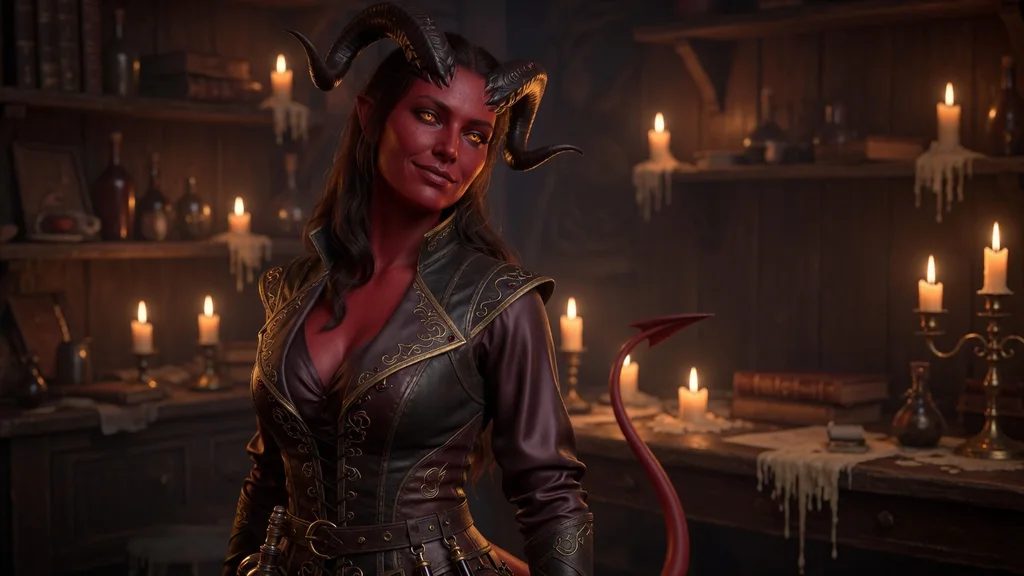
This tiefling name generator works the way tieflings actually name themselves — across three traditions at once. Roll a harsh infernal name passed down through devil-blood, an ordinary human name from the family that raised your character, or a virtue name like Hope or Torment, claimed as a statement to the world. Each result carries a badge and a line of lore, so the name comes with a reason.
👇 Click any name to copy it
A tiefling's name carries a lot of weight at the table. The horns and the tail tell people one story before a word is spoken; the name is the chance to tell a different one. Lean into the menace, or push against it — both land, and both say something about who your character has decided to be.
That decision is the whole point. Pick a name that argues with the assumptions other people make about your tiefling, and you've already written half the backstory.
The Three Tiefling Naming Traditions
Most generators give you one bucket of vaguely demonic-sounding words. Tieflings in D&D actually pull from three separate wells, and which one your character draws from says as much as the name itself.
Infernal names come from the tongue of devils. They're old, inherited, and blunt — names like Akmenos or Bryseis that sound like they were spoken in a courtroom of the Nine Hells long before your character drew breath. A tiefling who keeps an infernal name is, in a sense, accepting the inheritance. The sound carries weight on its own: hard stops, dark vowels, the occasional hiss.
Human-heritage names are the quiet option. Most tieflings are born to mortal parents — human, more often than not — and grow up with an ordinary name from that culture. Aldric. Delphine. Cassian Holloway. The fiendish blood sits underneath a name that wouldn't raise an eyebrow on a census. For a character trying to belong, or hiding what they are, this is the choice that fits.
Virtue names are the tradition people picture when they think "tiefling," and for good reason — they're the most distinctly tiefling thing about tiefling naming. A virtue name is a single concept worn as a name. Not a description handed down, but a word the character picks: Hope, Glory, Carrion, Despair, Open, Ideal. It announces an aspiration, a wound, or a verdict the tiefling has decided to own.
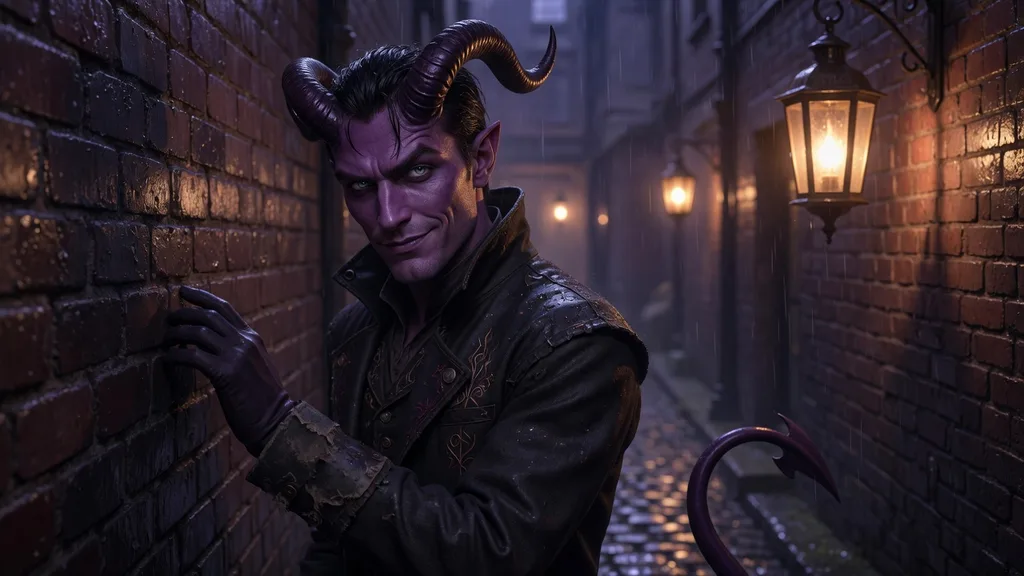
Why Virtue Names Are the Iconic Tiefling Choice
Here's what makes virtue names hit. A tiefling isn't born knowing the world will flinch at the sight of them. They learn it. Somewhere along the way, a tiefling decides how to answer that — and a virtue name is the answer made into a word they carry for life.
Some are defiant. A child taught to expect cruelty names herself Hope, and every introduction becomes a small rebellion. Some are grim acceptance — Carrion, Torment, Despair — a character deciding to wear the worst thing people assume about them, so it can never be used against them again. Some are aspirational: Glory, Ideal, Valor, a life pointed at one thing. And a few are pure refusal — Random, Open, Mortal — names that reject the whole premise that a tiefling must be read in advance.
That's why the generator pairs a short reading with every virtue name. The word is only half of it; the why is where the character lives.
Tiefling Name Types at a Glance
Use this as a quick reference when you're deciding which tradition fits the character you're building. There's no wrong answer — only different stories.
| Name type | Feel | Example |
|---|---|---|
| Infernal | Old, harsh, inherited — devil-tongue weight | Damakos, Bryseis |
| Human-heritage | Ordinary, quiet, blends in | Cassian Holloway |
| Virtue (defiant) | A rebellion in a single word | Hope, Grace, Liberty |
| Virtue (grim) | Owning the worst assumption | Carrion, Torment, Ruin |
| Virtue (aspirational) | A whole life pointed one way | Glory, Ideal, Quest |
Infernal Bloodlines
Every tiefling traces back to a deal struck somewhere down the planar chain, and that origin tints the character. The generator tags each infernal name with a bloodline — an archdevil or Lower Planes patron — and a line of flavour, so you can match the heritage to your story.
| Bloodline | Flavour |
|---|---|
| Asmodeus | The classic line — red skin, horns, a gift for command |
| Mephistopheles | Cold hellfire and a scholar's hunger for forbidden lore |
| Levistus | Ice in the veins, survival prized above loyalty |
| Baalzebul | Corruption and decay, patient and persuasive |
| Dispater | Iron cities, locked doors, paranoid and controlled |
| Fierna | Passion and influence, charm wielded like a blade |
| Glasya | Schemes and shadows, a thief's grace |
| Zariel | The fallen warlord's fury, valor, and the battlefield |
Virtue Name Meanings
Virtue names look simple, but the same word means different things depending on the tiefling who claims it. These readings are interpretive — there's no official dictionary — but they give you somewhere to start when you're deciding what your character's name is really saying.
| Virtue name | What it says about the character |
|---|---|
| Hope | Quiet defiance — refuses the darkness others expect |
| Glory | Chasing a deed great enough to outshine their blood |
| Torment | A wound turned into a banner, owned rather than hidden |
| Carrion | Grim and unflinching, walks where death has been |
| Mortal | A reminder that fiendish blood does not make a fiend |
| Random | Rejects fate — refuses to be read in advance |
| Open | Honesty as armor in a world that slams doors |
| Ideal | Measures every choice against a standard they won't lower |
| Despair | Names the worst, so nothing worse can surprise them |
| Liberty | Freedom as the only law, answers to no one |
How to Use Tiefling Name Generator
Three controls shape the result. Pick a name tradition — Infernal, Human-heritage, Virtue name, or leave it on Any to mix all three (virtue names come up a touch more often, since they're the signature). Set a gender to steer the infernal and human pools. And choose an infernal bloodline to lock the patron that flavours your infernal results.
Drag the slider to pick how many names to roll, then hit Generate. Every card carries a badge — the tradition or bloodline — and a line of lore. Virtue names come with a reading of what the name means. Don't like the batch? Roll again as often as you want, and click any card to copy it to your clipboard.
Tips for Choosing a Tiefling Name
A good tiefling name argues with the first impression. Use these to land yours:
- Decide how your tiefling answers the world. Defiant, grim, hopeful, hidden — the name should take a side. That stance is the character.
- Say it out loud. Infernal names should feel old and heavy; virtue names should land like a declaration. If it doesn't carry, try another.
- Use the re-naming. A tiefling who drops their birth name for a virtue name has a story baked in. Lean on that moment in your backstory.
- Match the bloodline. A Zariel-blooded warrior and a Glasya-blooded schemer want different names. Let the patron steer the flavour.
- Don't over-demon it. A wall of apostrophes and hard consonants gets tiring at the table. One strong, sayable name beats five edgy ones.
- Let it shift over time. A tiefling named Despair who finds a found-family might re-name to Solace. Names can evolve with the arc.
Example Tiefling Names
Male Infernal & Human Names
- Akmenos
- Damakos
- Barakas
- Iados
- Morthos
- Kairos
- Pelaios
- Skamos
- Cassian
- Aldric
- Theron
- Marius
- Soren
- Lucan
- Garrick
Female Infernal & Human Names
- Bryseis
- Anakis
- Akta
- Criella
- Sephira
- Verra
- Nephesh
- Phelora
- Delphine
- Isolde
- Genevra
- Lysenne
- Saskia
- Mirabel
- Talia
Virtue Names
- Hope
- Glory
- Torment
- Carrion
- Despair
- Mortal
- Random
- Open
- Ideal
- Reverence
- Temerity
- Sorrow
- Mercy
- Valor
- Liberty
About Tieflings
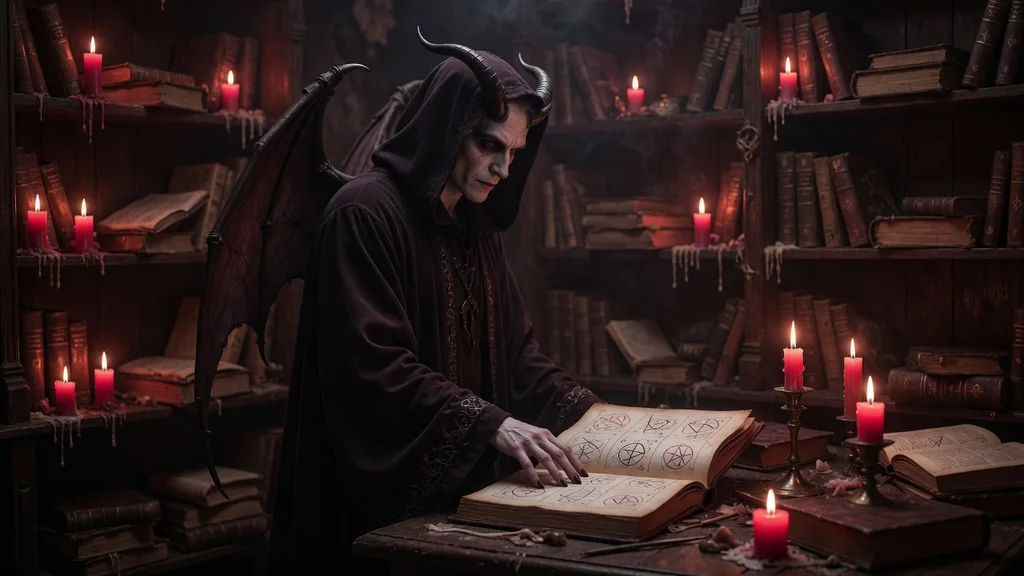
Tieflings carry the mark of the Lower Planes in their blood — a bargain or a bloodline that reaches back to a fiend, often the archdevil Asmodeus, sometimes another. The sign of it shows: horns, a tail, skin in deep reds or violets, eyes that catch the light wrong, sometimes a faint scent of brimstone. None of it makes them evil. It just makes them visible, in a world quick to judge what it sees.
How the world treats them. Most tieflings grow up braced for suspicion. Shopkeepers watch their hands. Strangers cross the street. That constant low friction shapes the character — some grow guarded, some grow charming as a defense, some grow tired of explaining themselves and stop trying. The name is where a lot of that lands.
Why naming matters so much. For most D&D races, a name is inherited and that's the end of it. For tieflings, naming is a decision, often a deliberate one made in adolescence or later. Keep the human name and pass, more or less. Take an infernal name and own the inheritance. Or pick a virtue name and tell the world, in a single word, what you've decided to be. That choice is one of the richest hooks in any tiefling backstory.
Canonical flavour. The Player's Handbook lists infernal names — Akmenos, Damakos, Bryseis, Anakis — alongside virtue names like Art, Carrion, Hope, Ideal, Open, Quest, Sorrow, and Torment. The names in this generator follow those conventions without copying any single character, so they're safe to drop straight onto a sheet.
A tiefling's name isn't a label they were handed. It's the argument they've chosen to make.
FAQ for Tiefling Name Generator
What are the three kinds of tiefling names?
Tieflings name themselves in three ways. Infernal names come from the language of devils — harsh, old, and inherited. Human-heritage names are ordinary names from the mortal family or town that raised them. Virtue names are single words — Hope, Torment, Glory — a tiefling chooses to declare what they want to be or what the world made them. This generator builds all three.
What is a tiefling virtue name?
A virtue name is a concept worn as a name: Hope, Carrion, Despair, Mortal, Open, Ideal. Tieflings adopt them as a statement — sometimes defiant, sometimes grim. Each result here comes with a short reading of what the name says about the character who claims it.
Where can I use the tiefling name generator?
Anywhere a tiefling needs a name — a D&D 5e character sheet, a Baldur's Gate 3 fan build, a homebrew campaign, a cosplay persona, or an online handle with an infernal edge. Every result is an original combination, so it's yours to use freely; just don't sell anything under Wizards of the Coast's protected terms.
Do tieflings keep their birth names?
Often, no. Many tieflings born to human families keep a human name, but plenty cast off the name they were given and choose a new one once they understand how the world sees them. That re-naming is one of the most iconic moments in a tiefling backstory.
Does bloodline change a tiefling's name?
Not the spelling, but it colours the flavour. A tiefling descended from Asmodeus reads differently from one of Zariel's war-torn line or Glasya's schemers. The generator tags each infernal name with a bloodline and a line of lore so you can pick a patron that fits your story.
What makes tiefling names sound authentic?
Consistency within each tradition. Infernal names lean on hard consonants and old-sounding endings that echo a devil-tongue inheritance, human-heritage names follow ordinary mortal naming conventions, and virtue names stay single, weighty concepts rather than invented words. The generator keeps those three pools separate so a result never blurs the traditions together.
Can I use these names in D&D 5e or Baldur's Gate 3?
Yes. The pools follow the Player's Handbook conventions for tiefling infernal and virtue names, but every result is an original combination — not copied from any sourcebook or game character. Roll until one fits and drop it straight onto your sheet.
What makes a good infernal name?
Hard consonants, old-sounding syllables, and a weight that lands like a verdict — Akmenos, Damakos, Bryseis. Say it aloud. If it sounds like it was spoken before your character was born, it works.