Naruto Name Generator
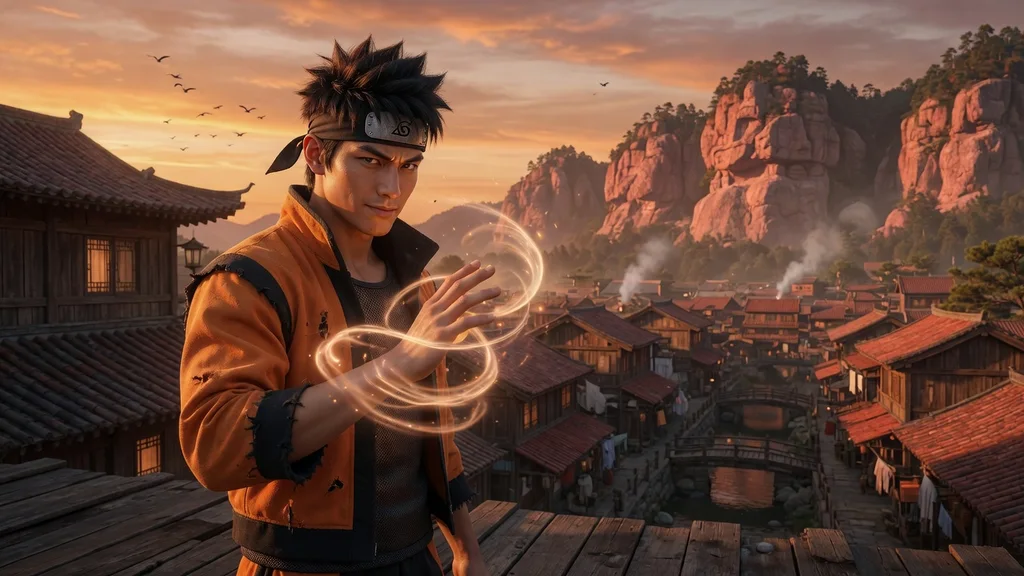
This Naruto name generator builds original shinobi names using the naming logic Masashi Kishimoto actually used to build his cast: a food-and-plant streak in the given names, clan households with a consistent phonetic signature, hidden villages that colour the surname, and a rank ladder running from Genin up to Kage. Pick a village, a clan tradition, a gender and a rank, and generate a name built for your own original character.
👇 Click any name to copy it
Naruto's world isn't built on invented alien phonetics the way a lot of anime settings are — it's built on real Japanese words, bent toward a theme. A given name that sounds like a spice, a clan surname that echoes an old province, a rank title that tells you exactly where someone stands in a village hierarchy. Get that logic right and an original character reads like they belong in the world; get it wrong and even a "cool-sounding" name feels like it wandered in from somewhere else.
This tool is an independent fan project. It has no affiliation with Masashi Kishimoto, Shueisha, Viz Media or Studio Pierrot — canonical characters and clans are mentioned below purely to explain the pattern, never as something the generator will hand you.
How Naming Actually Works in Naruto
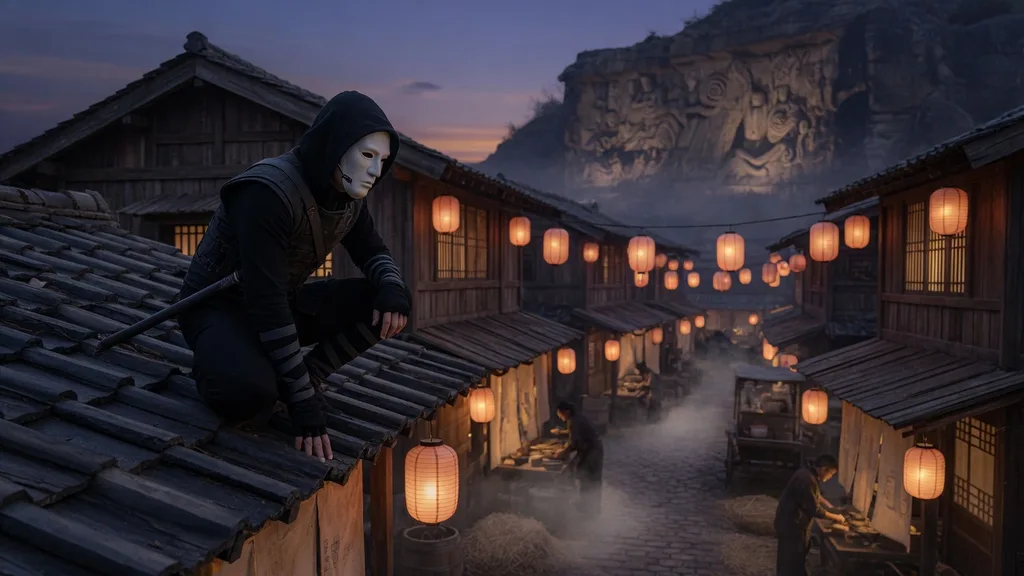
Two patterns do most of the work in the source material, and this generator is built around both of them.
The first is the food-and-plant streak running through a large share of the cast's given names. Naruto's own name comes from narutomaki, the pink-and-white spiral fish cake that tops a bowl of ramen — and doubles as a nod to the hero of a novel-within-the-story that Jiraiya writes about him. Sakura means cherry blossom. Chouji Akimichi's name literally means clove, a spice, which fits a clan built around food and appetite. Karin is named for a Japanese quince. Anko Mitarashi is named for red bean paste and a dango glaze. It isn't every character — but it's a genuine, repeated authorial habit, not a coincidence.
The second is clan surnames that carry a documented meaning, tying a household to a real Japanese word or place name. Uchiha reads close to "uchiwa," a fan — and the clan crest is fan-shaped. Hyuga means "facing the sun" and was once an actual province name on Kyushu. Nara borrows from Nara Prefecture, long associated with its wild deer, which lines up neatly with a clan built around shadow techniques. None of that is decorative. The name tells you something true about the household before the character has said a word.
| Canon example (context only) | What the name is built from |
|---|---|
| Naruto Uzumaki | Narutomaki — the spiral fish cake in ramen |
| Sakura Haruno | Sakura — cherry blossom |
| Chouji Akimichi | Chouji — clove, a spice |
| Karin | Karin — Japanese quince, a fruit |
| Anko Mitarashi | Anko / mitarashi — red bean paste / dango sauce |
This generator's given-name pool follows that same logic — original names built from the same well of food, plant and everyday-object vocabulary — without reusing a single one of the canon names above.
Clan Traditions — Explained, Not Copied
The seven households below are the real inspiration behind this generator's Clan origin filter. Their names, listed here for context, are never something the generator will output — pick one of these traditions and the tool builds an original surname that echoes its phonetic and thematic signature instead.
| Clan (context only) | Documented meaning / theme | Generator style |
|---|---|---|
| Uchiha | Close to "uchiwa" (fan); crest is fan-shaped | Fire & precision |
| Hyuga | "Facing the sun"; an old Kyushu province name | Clear sight |
| Nara | From Nara Prefecture, famous for wild deer | Shadow & stillness |
| Akimichi | "Autumn road/path"; a food-and-warmth household | Harvest & warmth |
| Yamanaka | Literally "inside the mountain"; runs a flower shop | Flower & mind |
| Aburame | Tied to insects; a quiet, high-collared household | Hidden swarm |
| Inuzuka | "Dog mound"; raises and fights alongside ninja hounds | Fang & pack |
One honest caveat: in the source material, all seven of these are Hidden Leaf households — there's no canon "Uchiha of the Sand" or "Nara of the Mist." This generator deliberately decouples clan style from village so you can build freely, but a Hidden Leaf pairing is the historically accurate one if that matters for your project.
Hidden Villages and How They Shade a Name
Konoha (the Hidden Leaf), Suna (Hidden Sand), Kiri (Hidden Mist), Kumo (Hidden Cloud) and Iwa (Hidden Stone) are the five great villages, each fielding its own Kage. Canon doesn't lock civilian surnames to a rigid per-village phonetic rule the way it does with clan meanings — that part is looser worldbuilding, not documented linguistics. But the terrain each village sits in is consistent and distinctive enough to build a surname pool around: leaf and forest words for Konoha, sand and dry-riverbed words for Suna, water and mist words for Kiri, sky and storm words for Kumo, stone and quarry words for Iwa. Pick a village on an unaffiliated (no-clan) character and the generator leans into that terrain.
The five villages also carry distinct cultural reputations that are worth knowing even if you never touch the surname pool. Suna runs lean on resources and heavy on discipline — a desert village with little room for waste. Kiri spent years known as the "Bloody Mist" for a brutal genin graduation exam, before a later generation worked to shed that reputation. Kumo prizes raw physical power and produces some of the fastest, hardest-hitting shinobi in the setting. Iwa runs conservative and insular, slow to trust outsiders after a costly war. None of that changes the surname pool directly, but it's useful texture if you're writing dialogue or backstory for a character from one of these villages.
Ranks — From Genin to Kage
Rank isn't just a badge in this world; it changes how a name gets used. A Genin is a fresh graduate, still working a three-person team under a Jonin sensei — no title attached yet, just a given name and a household. A Chunin has passed a formal exam and earned the standing to lead smaller missions. A Jonin is senior enough to command real trust — and this generator attaches an original epithet at that tier, the kind of nickname a reputation earns over years.
ANBU sits outside the normal ladder entirely: a masked black-ops division that trades birth names for codenames on missions. This generator gives ANBU results an original element-or-gem codename rather than reusing any of the animal codenames the source material assigns to specific canon characters. And Kage is the summit — one leader per great village, carrying a village-specific title: Hokage for the Leaf, Kazekage for the Sand, Mizukage for the Mist, Raikage for the Cloud, Tsuchikage for the Stone.
| Rank | What it signals |
|---|---|
| Genin | Fresh graduate, three-person team, no title yet |
| Chunin | Exam-certified, can lead small missions |
| Jonin | Elite, senior — earns an epithet in this generator |
| ANBU | Masked black-ops; uses a codename, not a birth name |
| Kage | Village leader; carries a village-specific title |
Naruto vs Japanese vs Demon Slayer vs Saiyan Names
This site runs a few different anime-adjacent generators, and it's worth being clear about which one to reach for. The Japanese name generator produces real, in-use Japanese given names and surnames with actual English meanings — reach for it when you need something that reads as authentically Japanese in the real world, not just in a shinobi story. The Demon Slayer name generator is the closest cousin to this one — it's also anime, also Japanese-rooted — but it's tuned to Kimetsu no Yaiba's Taisho-era setting and its own slayer-versus-demon split, rather than clans, villages and a shinobi rank ladder. And the Saiyan name generator runs an entirely different trick: literal vegetable puns for Dragon Ball's warrior race. This generator is the one built specifically for Naruto's clan-and-village logic.
Naming an OC Shinobi — Practical Approach
Start with the household, not the person. If your character belongs to one of the seven clan traditions, let the theme constrain the given name too — a fire-clan kid probably isn't named after a soft, quiet flower. If they're unaffiliated, lean into the village's terrain instead: something that would sound at home in a sand-blown border post reads differently from something built for a rain-soaked port town.
Rank should follow the story, not the other way around. A brand-new Genin with a Jonin-tier epithet reads as a mistake, not a flex — save the nickname for when the character has actually earned it. If you're building an ANBU operative, remember the codename is a mask, not an identity; keep the birth name in your notes even if the story only ever uses the alias.
Say it out loud before you commit. The source material's names move well in dialogue — short, clean syllables that don't trip a reader mid-sentence. If your OC's name stalls when you try to write "[Name] turned and looked back at the gate," swap it before it becomes load-bearing in twenty chapters of fic.
Building a Genin Team
Most shinobi start on a three-person genin team under one Jonin sensei, and that structure is a useful frame for naming a whole cast at once instead of one character in isolation. Canon teams tend to mix backgrounds rather than stack three clan heirs together — one clan kid, one unaffiliated villager, one wildcard — which keeps the group's skill set varied and gives the naming a natural contrast: a clan-flavored surname sitting next to two plainer ones.
If you're building a team with this generator, try running it three times with the form set to full and the clan filter changed each pass: one clan style, one "No clan," and one left on Any. That mirrors how genin teams actually get assembled in the story — around a Jonin sensei's specialty, not around a matching theme.
Example Names
By Clan Style
- Fire-clan: Ryuunosuke Enju, Kurumi Hibana
- Sight-clan: Wataru Mukaihi, Suzuka Sorami
- Shadow-clan: Daichi Kageyama, Fuyuka Yumeji
- Harvest-clan: Genzou Akikawa, Momoe Momiji
- Flower-clan: Touya Hanazono, Kanade Hanabusa
- Swarm-clan: Kuroto Chinmoku, Yukine Kuroba
- Fang-clan: Ittetsu Inukai, Botan Ookami
Unaffiliated Shinobi, by Village
- Hidden Leaf: Reiji Morikawa, Chiharu Hayashida
- Hidden Sand: Daigo Sunada, Hazuki Kasetsu
- Hidden Mist: Ginji Kirisawa, Rurika Mizuno
- Hidden Cloud: Katsurou Amagumo, Sayuri Kumozaki
- Hidden Stone: Masaru Iwasaki, Chinami Kuroishi
By Rank
- Genin: Kazuto Nogami
- Chunin: Emiri Toshigura
- Jonin: Renshi Kagemori, of a Thousand Steps
- ANBU: Tsukine Shirasu — codename: Onyx
- Kage: Hyouma Enzan, Hokage of the Hidden Leaf
Tips for Picking the Right Name
- Let the clan constrain the given name too. A household theme should shape more than the surname — a fire-clan character with a delicate, watery given name reads as a mismatch.
- Don't over-title a low-rank character. Genin and Chunin should sound plain and earnest. Save the epithets and titles for characters who've put in years.
- Village terrain is a tool, not a cage. Canon doesn't lock every surname to its village's geography — use the flavor where it helps, skip it where the story wants something else.
- Keep ANBU codenames separate from birth names. The whole point of a codename is that it isn't traceable back to a person — don't build one that's just a translated version of their real name.
- Read it in a sentence. Names that work in the source material move cleanly through dialogue. If yours snags, trim it.
FAQ for Naruto Name Generator
Is this generator affiliated with Naruto, Masashi Kishimoto, Shueisha or Studio Pierrot?
No. This tool is an independent, unofficial fan resource. It is not affiliated with, endorsed by, or sponsored by Masashi Kishimoto, Shueisha, Viz Media, Studio Pierrot, or any other rights holder. All canonical character and clan names belong to their respective owners and are used here only as explanatory examples — never as generator output.
Why does the given name pool focus on food and plants?
Because that's a real, documented pattern in Kishimoto's naming. Naruto is named after narutomaki, the fish cake with the spiral swirl that tops a bowl of ramen. Sakura means cherry blossom. Chouji Akimichi's name literally means clove, a spice. Karin is a Japanese quince. Anko Mitarashi is named for red bean paste and a dango sauce. This generator's given-name pool follows that same logic with original names, not the canon ones themselves.
Does the generator output real clan names like Uchiha or Hyuga?
No, and deliberately so. The Clan origin filter treats a clan as a phonetic and thematic tradition — fire-and-precision for an Uchiha-inspired household, sight for a Hyuga-inspired one, and so on — but every surname it builds is an original invention. The real clan names appear only in the writeup below, as explanatory background.
What's the difference between Genin, Chunin, Jonin, ANBU and Kage?
They're the shinobi rank ladder. Genin are fresh graduates working in three-person teams. Chunin have passed a formal exam and can lead missions. Jonin are elite, senior operatives who train genin teams. ANBU are a masked black-ops division who use codenames instead of birth names. Kage is the top rank — one leader per hidden village, using a village-specific title like Hokage or Kazekage.
Which hidden village should I pick if I'm not sure?
Hidden Leaf (Konoha) is the franchise's home base and the safest default for a generic shinobi OC — it's also the village all seven clan traditions in this generator are inspired by. Pick Sand, Mist, Cloud or Stone if your character comes from one of the other four great villages, or leave it on Any and let the generator surprise you.
Can I pair any clan with any village?
Yes, on purpose. In the source material, the seven clan traditions this generator draws on are all historically Hidden Leaf households. This tool decouples clan from village so you can build a character freely — a Konoha pairing is the most lore-accurate combination, but the other four villages are there for original worldbuilding, not a strict canon claim.
Can I use these names for a Naruto fan fiction OC?
Yes. Every name is an original combination built from the same naming logic the source material uses, not a copy of an existing character or clan name. That makes it safe to drop into fan fiction, a tabletop shinobi campaign, or a username without colliding with the existing cast.
How is this different from the Japanese name generator on this site?
The Japanese name generator produces real, in-use Japanese given names and surnames with their actual meanings — it's for characters, pen names or babies that need to sound authentically Japanese in the real world. This generator is a stylization: it borrows the shinobi world's own naming rules (clan phonetics, food-and-plant given names, rank titles) rather than aiming for real-world accuracy. Use the Japanese generator for reality, this one for the ninja-village aesthetic.